
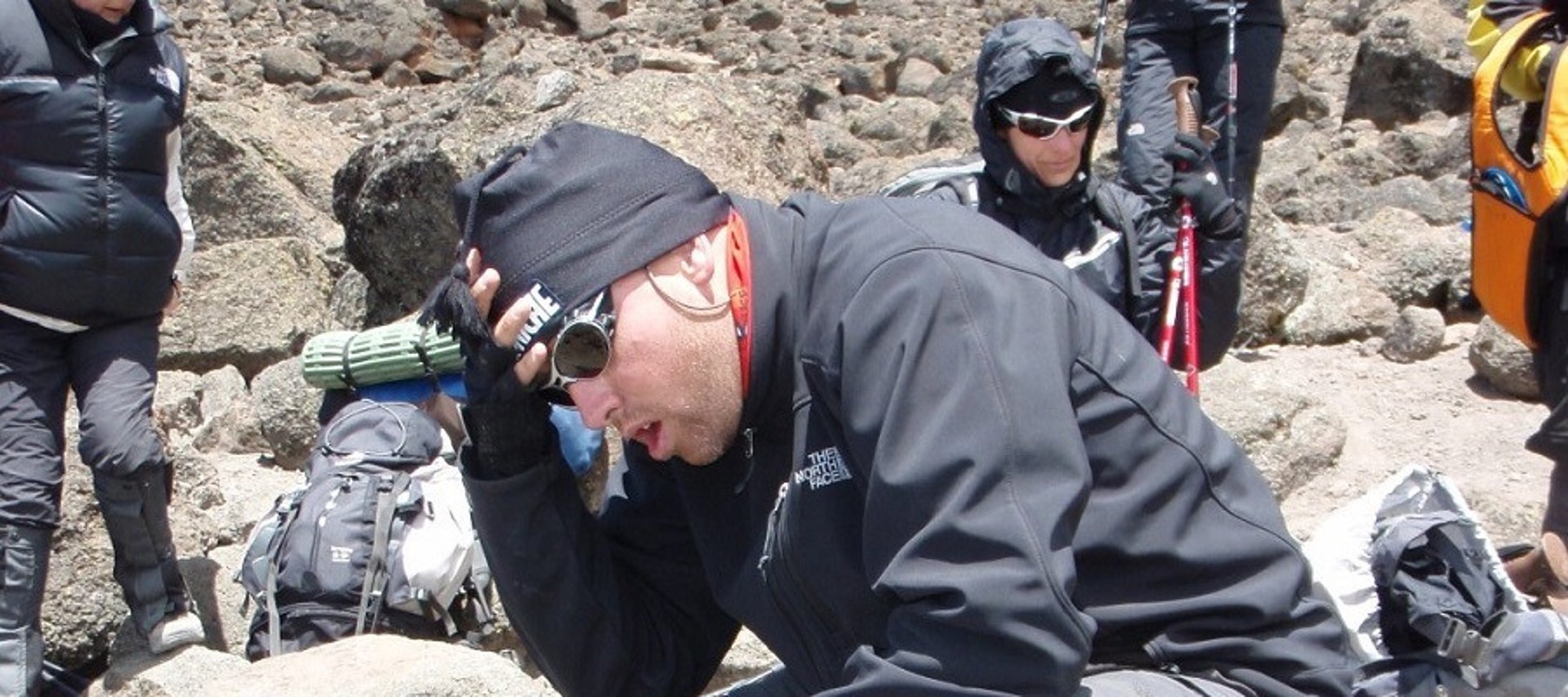
Kilimanjaro Altitude Sickness
Understanding Altitude Sickness: Symptoms, Prevention, and Emergency Response on Mount Kilimanjaro
Climbing Mount Kilimanjaro is a bucket-list adventure, but the risks of altitude sickness are genuine and can be life-threatening if not managed properly. As a helicopter company offering mountain rescue services from Kilimanjaro, we understand the critical importance of acting fast when altitude sickness strikes. In this post, we’ll dive into the symptoms of altitude sickness, how to prevent it, and the vital role helicopter evacuation plays in emergencies.
What is Altitude Sickness?
Altitude sickness, also known as Acute Mountain Sickness (AMS), occurs when your body struggles to adjust to lower oxygen levels at high elevations. For those attempting to summit Mount Kilimanjaro, which rises to 5,895 meters (19,341 feet), the risk of AMS is significant, especially if proper acclimatization procedures aren’t followed.
Common Symptoms of Altitude Sickness:
1. Mild Symptoms (Early Signs):
Headache
Dizziness
Nausea or vomiting
Fatigue or weakness
Shortness of breath with exertion
Loss of appetite
Sleep disturbances
2. Moderate Symptoms (Worsening AMS):
Persistent headache
Increased shortness of breath
Severe fatigue
Difficulty walking (ataxia)
3. Severe Symptoms (HAPE & HACE):
Confusion, irritability, or inability to think clearly
Coughing up pink, frothy liquid
Bluish lips or skin (cyanosis)
Seizures
Loss of consciousness
Without rapid intervention, severe forms of altitude sickness can progress to High-Altitude Pulmonary Edema (HAPE) or High-Altitude Cerebral Edema (HACE), both of which can be fatal. In these situations, immediate medical attention and evacuation are necessary.
Preventing Altitude Sickness
While altitude sickness is unpredictable, there are several strategies climbers can adopt to minimize the risk.
1. Acclimatize Properly
The golden rule is to ascend slowly. Take time to adjust by following a gradual ascent plan that allows your body to acclimatize at higher altitudes. On Kilimanjaro, many tour operators (including us - Zimba Extreme International) offer itineraries that include “acclimatization days,” which are essential for avoiding AMS.
2. Stay Hydrated
Drinking enough water is key to avoiding dehydration, which can make altitude sickness worse. Make sure to consume plenty of fluids throughout the day, and avoid alcohol and caffeine, which can exacerbate dehydration.
3. Follow the ‘Climb High, Sleep Low’ Principle
This well-known climbing strategy involves ascending to a higher altitude during the day and then descending to a lower elevation to sleep. This helps your body adjust more effectively to the changes in altitude.
4. Avoid Overexertion
Pacing yourself is crucial. Avoid rapid ascents and overexerting yourself, as both can make you more susceptible to altitude sickness. Keep your activity level moderate and take breaks when necessary.
5. Consider Medication
Medications like acetazolamide (Diamox) are often prescribed to help prevent altitude sickness by accelerating acclimatization. Consult your healthcare provider before your trek to determine whether medication is right for you.
Monitoring Your Health on Mount Kilimanjaro
Keeping a close eye on your health throughout the climb is essential. Here’s how you can monitor your well-being:
– Check your oxygen saturation levels regularly using a portable pulse oximeter.
– Monitor your heart rate and breathing rate during rest and activity.
– Maintain open communication with your guide and fellow climbers about any symptoms or concerns you may have.
– Stay observant of your own body and listen to its signals. Don’t hesitate to seek help if you or someone in your group experiences severe symptoms.
It’s imperative that you only climb Kilimanjaro with a reputable tour operator, as they will only use properly trained and experienced guides. Your guides are there to keep you safe and treat you should you become ill or injured.
At Zimba Extreme we prioritise your Kilimanjaro safety above everything else. All of our guides are trained wilderness first responders (WFRs), which is the highest non-medical certification available to outdoor guides. WFRs are trained to make critical medical and evacuation decisions on site.
Now that you’re equipped with valuable knowledge about high altitude sickness and how to mitigate its risks, you can embark on your Mount Kilimanjaro adventure confidently. Remember, your safety and well-being should always be a priority.
Read More on Top 5 Kilimanjaro Altitude Sickness Medications for Altitude Acclimatization>>
Email/PHONE
tour@zimbaextreme.com
+255772770548
© 2026 Kilimandscharo-Besteigung mit lokalen Guides ab 1.370 US-Dollar pro Person. All rights reserved.
OUR EQUIPMENT RENTAL STORE & OPERATIONS OFFICE:
KCMC Road, 2nd Floor, Lukindo Complex, Longuo 'B' Opposite the Tanzania Police School, Moshi Town CBD 25116
Working Hours:
Mon-Sunday, 24 Hours/7 Days
KILIMANJARO BUDGET CLIMB COMPANY - BY ZIMBA EXTREME INTERNATIONAL.
MANAGERIAL & OWNER RESIDENCY:
Kilimanjaro Road & Bustani Alley, Moshi Town CBD 25102 Tanzania.